
 Important



 Notifications
 Notifications 1
ICAR-CPCRI Organizes Sensitization Programme on Biological Control of Coconut Black-Headed Caterpillar at Kundapura, Udupi district, Karnataka
Oct 13, 2026 : Kundapura, Udupi district, Karnataka | Author:Web Admin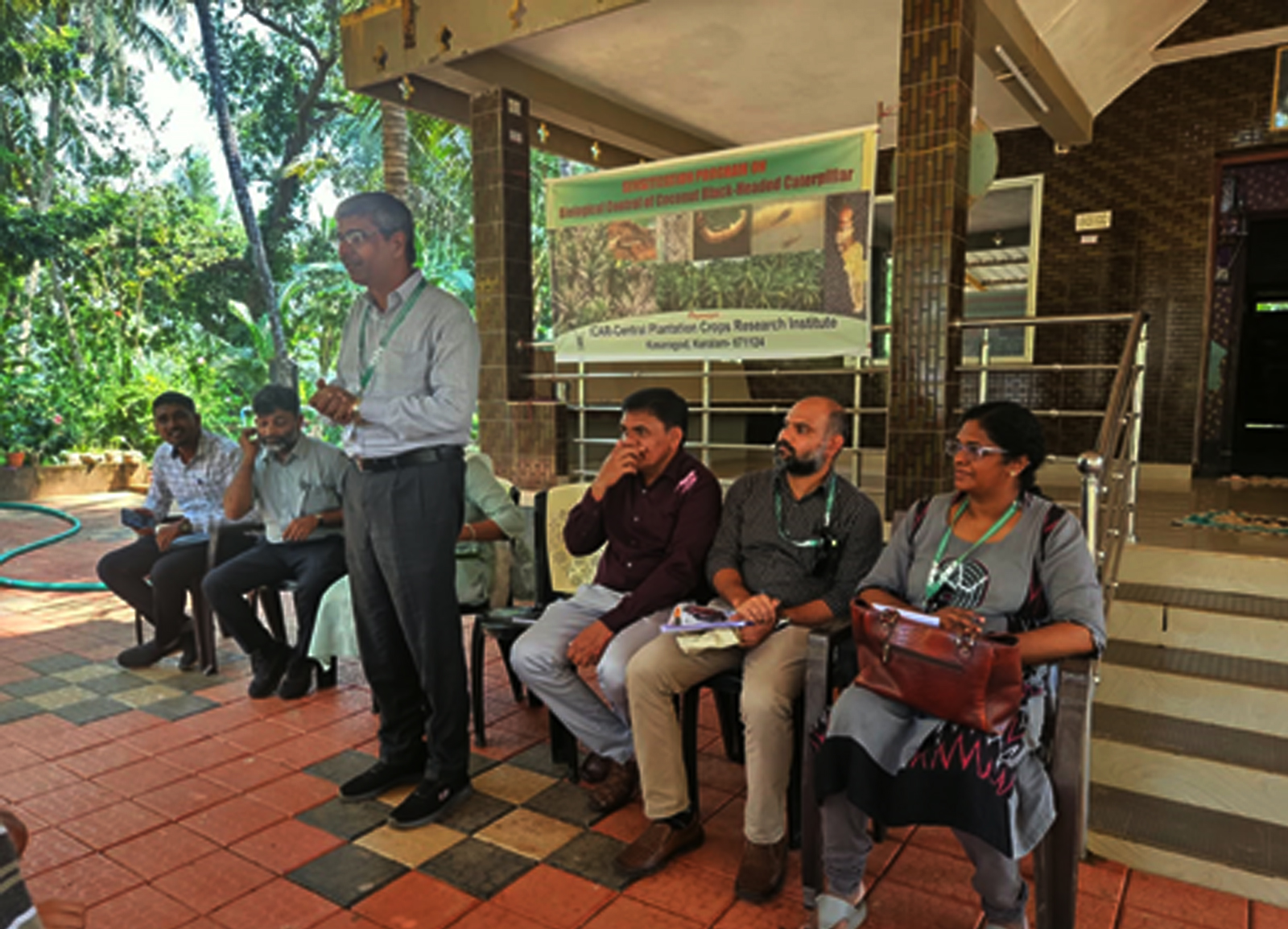
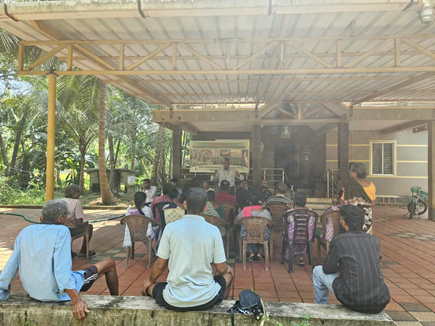
ICAR–Central Plantation Crops Research Institute (ICAR-CPCRI), Kasaragod, in collaboration with the State Horticulture Department, Karnataka, organized a sensitization programme on the biological management of coconut black-headed caterpillar (Opisina arenosella) at Hadavu village, Kundapura, Udupi District, on 13 October 2026. Around 20 coconut growers participated in the programme.
The programme was attended by ICAR-CPCRI scientists Dr. A. Josephrajkumar, Dr. Rajkumar, Dr. Mahendran B. and Dr. Prathibha P. S., along with Mrs. Kshama Patil, Deputy Director of Horticulture, and Mr. Praveen, Horticultural Officer, Kundapura.
The scientists sensitized farmers about the identification, nature of damage and sustainable management of black-headed caterpillar, a major defoliating pest of coconut. The characteristic symptoms of infestation, including drying and browning of leaflets and the scorched appearance of severely affected palms, were explained. Special emphasis was placed on biological control using the larval parasitoids Goniozus nephantidis and Bracon brevicornis.
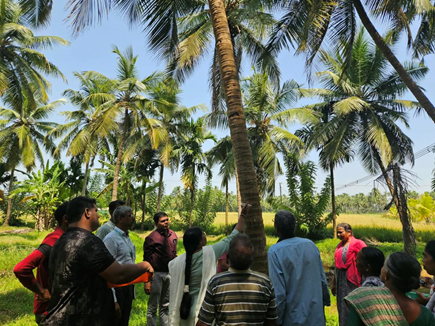
As part of the programme, both parasitoids were released in an identified pest infestation hotspot in the village to suppress black-headed caterpillar populations and help prevent further spread to neighbouring coconut plantations. Farmers were provided with hands-on training on parasitoid release techniques, appropriate field deployment and conservation of natural enemies. The scientists emphasized the importance of a community-based pest management approach, encouraging farmers to undertake coordinated biological control interventions across neighbouring plantations for effective area-wide pest suppression.
Following the programme, the scientists undertook a diagnostic field visit to Hemmady village, Kundapura, where the traditional local chrysanthemum cultivar, popularly known as Hemmady Sevanthige (Hemmady Local), is cultivated within coconut-based cropping systems. As the crop was in its initial planting stage, no visible pest or disease incidence was observed during the visit. However, farmers expressed concerns regarding pest and disease management, highlighting their current dependence on chemical pesticides. The scientists emphasized the importance of adopting biointensive pest management strategies, including regular crop monitoring, conservation of natural enemies and preventive, eco-friendly management practices to reduce pesticide dependence. Farmers were requested to share details of the pest and disease problems encountered during crop development to facilitate accurate diagnosis and the formulation of appropriate management recommendations.
The programme was coordinated by Dr. Rajkumar, Dr. Mahendran B. and Dr. Prathibha P. S. of ICAR-CPCRI, in association with officials of the State Horticulture Department, Karnataka. The initiative strengthened institutional collaboration and farmer engagement in promoting sustainable, community-based pest management practices in coconut and associated cropping systems of coastal Karnataka.