
 Important



 Notifications
 Notifications 1
SHITIJ 2.0 programme inaugurated at ICAR - CPCRI, Kasaragod
Jul 20, 2026 : ICAR-CPCRI, Kasaragod | Author:Web Admin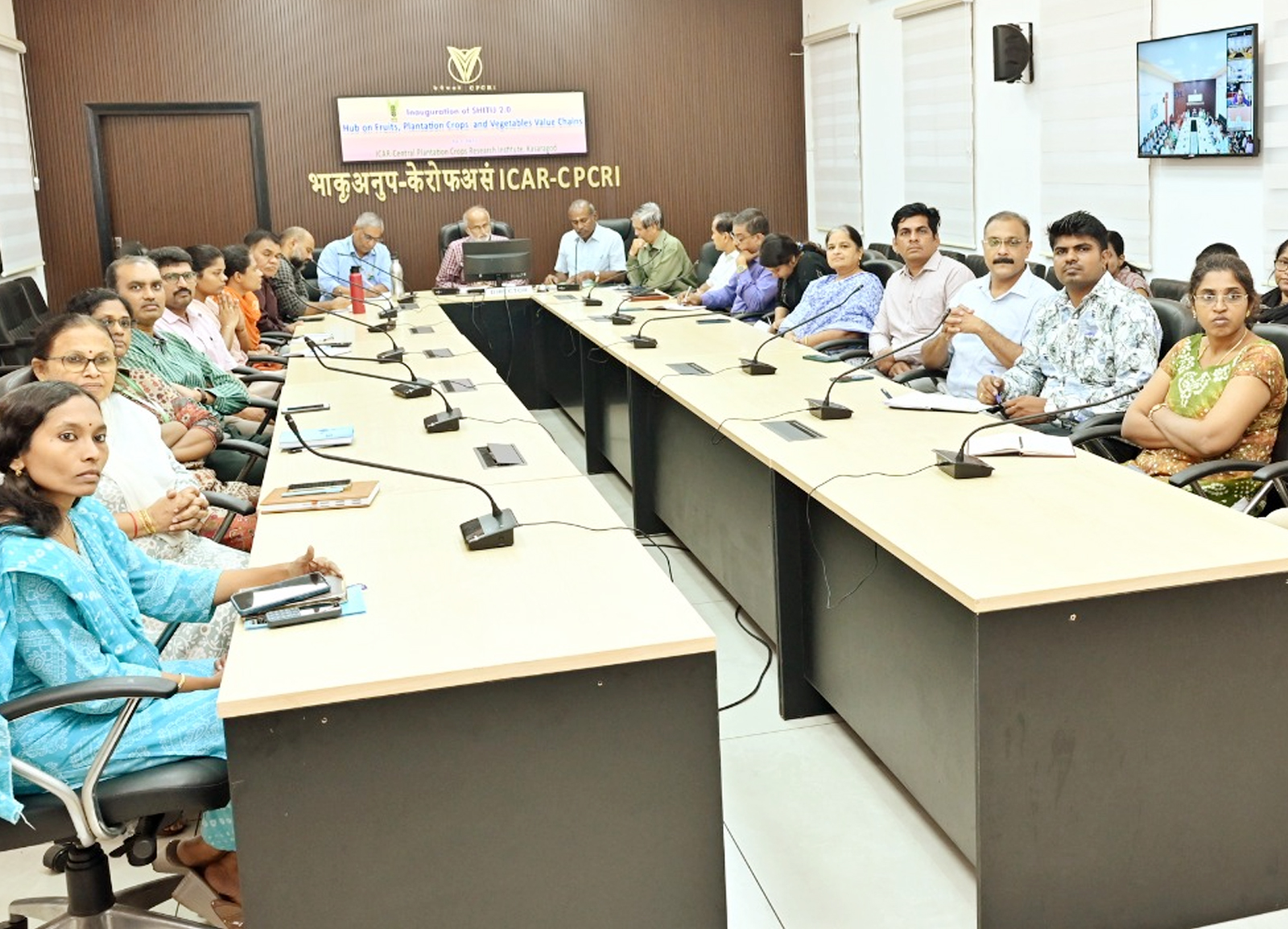
The programme commenced with the rendition of Vande Mataram, followed by the ICAR Anthem. The Welcome address was delivered by Dr. K Ponnusamy, Head, Social Science Division, ICAR-CPCRI, and Principal Investigator of the ABI Project. He welcomed the dignitaries, representatives of the hub and spoke institutes, scientists, and participants. In his address, he outlined the background and objectives of SHITIJ 2.0, highlighting its vision of strengthening the agricultural startup ecosystem through an integrated hub-and-spoke incubation model aimed at fostering innovation, technology commercialization, and entrepreneurship in the agricultural sector.
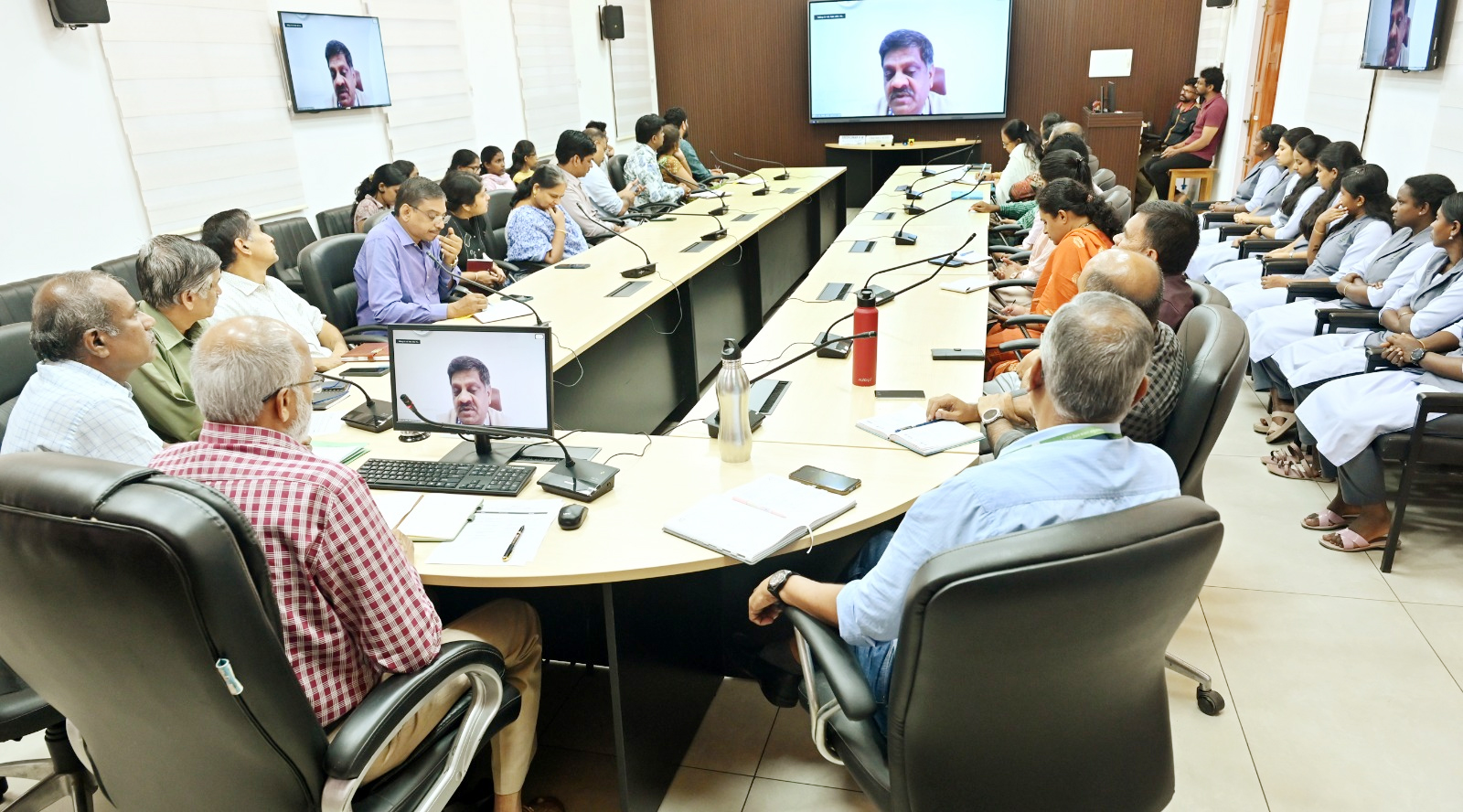
The Inaugural Address was delivered by Dr. V. B. Patel, Additional Director General (Fruits and Plantation Crops), ICAR. He emphasized the crucial role of agricultural entrepreneurship and value addition in contributing towards India's vision of becoming a US$6 trillion economy by 2047. He highlighted the immense potential for value addition in horticulture and stressed the importance of developing efficient value chains within the existing agricultural market ecosystem. He pointed out that only about 5% of horticultural produce is currently processed, indicating enormous untapped opportunities for the sector. Referring to the thematic focus of the SHITIJ 2.0 hub-and-spoke model, he described fruits, vegetables, and sugarcane as "goldmines" for value chain enhancement and emphasized the need to translate research outputs into commercially viable enterprises.
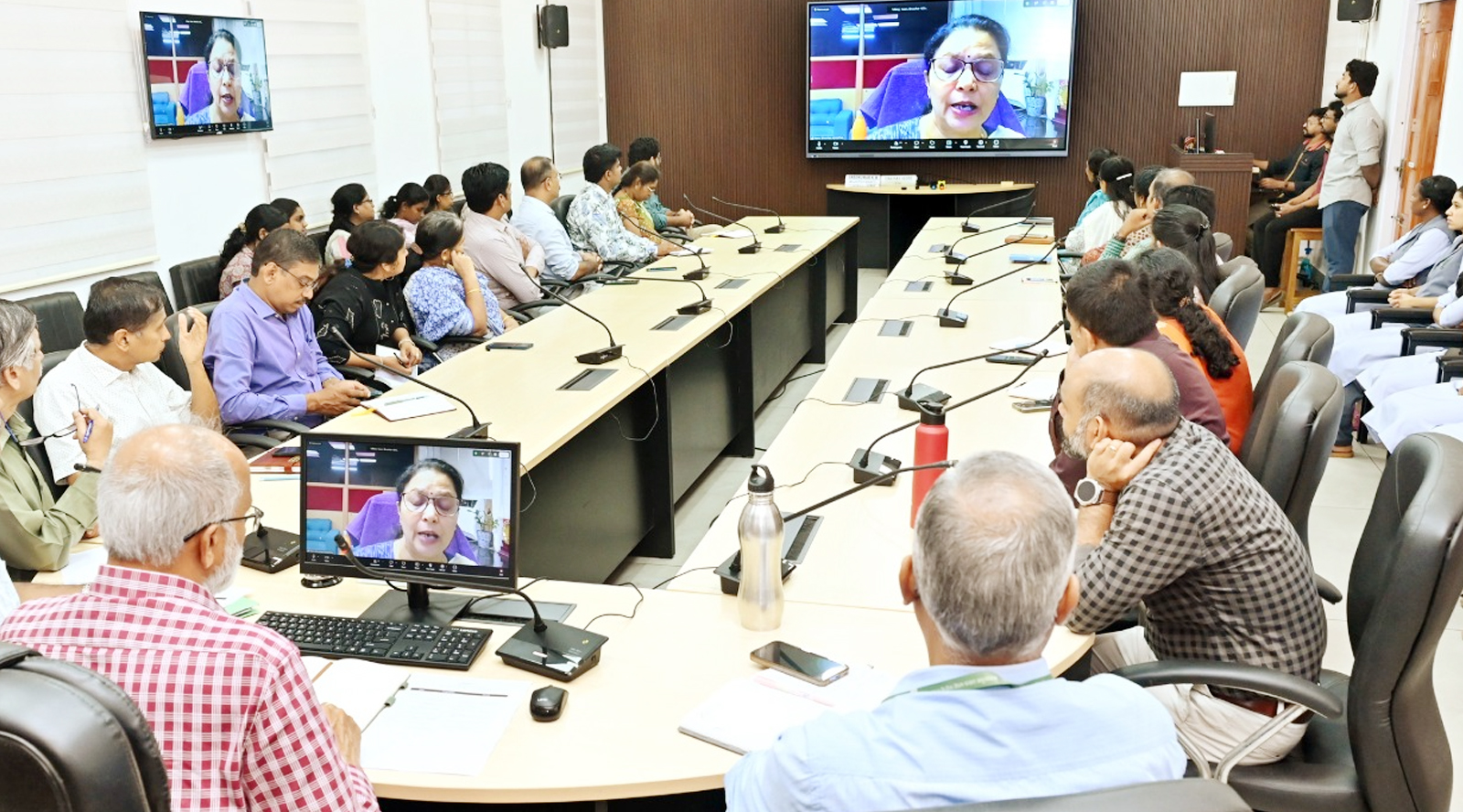
The Guest of Honour, Dr. Neeru Bhooshan, Assistant Director General (IP&TM), ICAR, elaborated on the implementation framework of SHITIJ 2.0. She explained the various components of the programme, including boot camps, outreach campaigns involving engineering, agricultural, and management institutions, and regional publicity through newspaper coverage and other awareness initiatives to attract aspiring entrepreneurs. She informed the gathering that 500 applicants will be selected under the current phase of the programme. The selected participants will undergo a two-month centralized online mentoring programme, during which they will receive expert guidance on entrepreneurship, business planning, technology commercialization, and startup development. She further outlined the responsibilities of the hub institute, particularly in sharing expertise, infrastructure, and resources with the spoke institutes to strengthen the national incubation ecosystem. She also discussed the institutional targets assigned to the hub and spoke institutes and emphasized that close coordination and collective efforts would be essential for achieving the programme's objectives successfully.
Dr. K. B. Hebbar, Director, ICAR-CPCRI, in his presidential address highlighted the immense scope for value chain development in plantation crops. He described the significant contributions of ICAR-CPCRI in developing technologies and promoting entrepreneurship in the plantation sector. Stressing the importance of achieving programme targets, he noted that successful implementation requires focused planning and continuous monitoring. He also emphasized that prospective farmers and entrepreneurs should develop a clear understanding of the business ecosystem, market dynamics, and commercial viability before venturing into business on a large scale.
The programme then proceeded with remarks from the representatives of the spoke institutes.
Dr. K. V. Prasad, Director (Acting), ICAR–National Research Centre for Grapes (NRCG), suggested the inclusion of the Directorate of Floricultural Research (DFR) as one of the spoke institutes under SHITIJ 2.0. He also shared valuable insights on sectoral developments, technology adoption, and entrepreneurship opportunities in the grape and floriculture sectors.
Dr. G. Byju, Director, ICAR–Central Tuber Crops Research Institute (CTCRI), expressed his gratitude for the inclusion of CTCRI as a spoke institute under the programme. He highlighted the institute's incubation capabilities and entrepreneurial achievements, mentioning that the institute developed 35 technologies for commercialization and has issued 87 technology licenses, thereby creating significant opportunities for agribusiness development and startup incubation.
Dr. J. Dinakar Adiga, Director, ICAR–Directorate of Cashew Research (DCR), Puttur, expressed his appreciation for the SHITIJ 2.0 initiative, describing it as an exciting platform for fostering technological synergy among ICAR institutes. He highlighted the immense entrepreneurial opportunities in the cashew sector, emphasizing the scope for value addition, product diversification, and technology-based enterprise development. He remarked that collaborative efforts under the hub and spoke model would significantly strengthen innovation and agribusiness development in the plantation crop sector.
Dr. R Selvarajan, Director, ICAR–National Research Centre for Banana (NRCB), presented the key achievements of the institute in promoting agribusiness and entrepreneurship. He highlighted that the institute has facilitated 236 technology licenses, supported 56 incubatees, and developed 36 technologies for commercialization. He further elaborated on the institute's collaboration with the Government of Tamil Nadu in nurturing a new generation of agricultural entrepreneurs and its continued support to Farmer Producer Organizations (FPOs) through technology dissemination, capacity building, and enterprise development initiatives in the banana sector.
Dr. P. Govindaraj, Director, ICAR–Sugarcane Breeding Institute (SBI), Coimbatore, emphasized the importance of strong networking and collaboration among the participating institutes and scientists for the successful implementation of SHITIJ 2.0. He remarked that effective knowledge sharing, resource pooling, and interdisciplinary cooperation would be instrumental in accelerating technology commercialization, strengthening startup incubation, and achieving the programme's intended outcomes. He encouraged all the hub and spoke institutes to work in close coordination to maximize the impact of the initiative at the national level.
The programme concluded with the vote of thanks delivered by Dr. M. R. Manikantan, Principal Scientist and Co-Principal Investigator of the ABI Project, ICAR-CPCRI. He expressed his sincere gratitude to the Chief Guest, Guest of Honour, Director of ICAR-CPCRI, Directors and representatives of the spoke institutes, invited dignitaries, scientists, and all participants for their valuable presence and contributions. He also acknowledged the collective efforts of the organizing team and all stakeholders in making the inaugural programme a meaningful and promising platform for promoting agricultural innovation, technology commercialization, and entrepreneurship through the SHITIJ 2.0 initiative. He concluded by expressing confidence that the collaborative efforts of the hub and spoke institutes would significantly contribute to strengthening the agricultural startup ecosystem and achieving the objectives of the programme. The programme came to an end with the National Anthem.